Founders as the Last Moat
This year content became free. When a thing becomes infinite, its price goes to zero. The one input AI can't fake is a specific human with a real point of view.
This year content became free. Not cheap, free. Anyone can generate a competent blog post, a passable ad, a decent landing page, in seconds, for nothing. The skill that a lot of marketing teams were built around just got commoditized by a chatbot.
When a thing becomes infinite, its price goes to zero. We're about to watch that happen to most content. The feeds will fill with serviceable, soulless, machine-made everything, and audiences will learn to scroll past all of it at once.
So what's still scarce?
A specific human being with a real point of view. That's the one input AI can't fake and competitors can't copy.
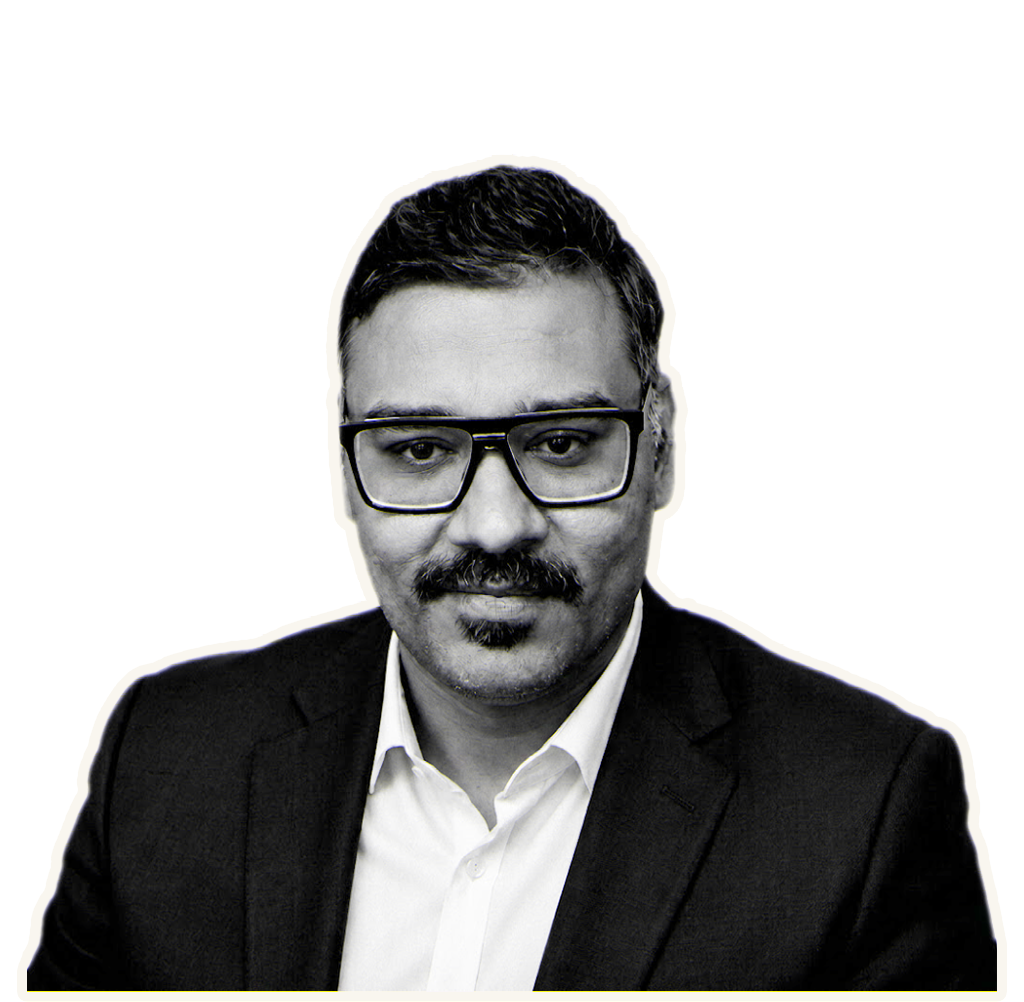
You can clone a brand's content in an afternoon. You cannot clone its founder. You can't clone the fifteen years of scars, the particular way they read a market, the opinions they'll defend in public that the legal team wishes they wouldn't. That's the moat now, not the content, the person the content comes from.
This is why founder-led brands are quietly eating everyone's lunch. People don't trust companies; they trust people. They follow a face, a voice, a track record. In a feed full of generated sludge, a real person saying something only they could say is the most expensive thing on the screen, precisely because it can't be generated.
The instinct, when content gets cheap, is to make more of it. Wrong direction. When the floor is flooded, you don't add to the flood. You climb to the one place the flood can't reach, which is a credible individual staking their name on a view.
It's risky. Founders say wrong things. Personal brands are fragile, and they don't transfer cleanly to the next hire. But every durable moat is uncomfortable to build, and this is the one the machines just handed us by accident. They made everything else free.
The companies that win the next few years won't be the ones who used AI to make the most content. They'll be the ones who understood, early, that the content was never the asset. The human behind it was.